Botanical Wolf
Herbarium H-Z
A comprehensive index of botanical ingredients from H through Z, assessing their healing qualities and evidence-based perks for natural wellness.


Hibiscus Extract
Benefits: Hibiscus is natures gentle exfoliant because its natural fruit acids gently dissolve dull, dead cells on the surface while its antioxidants protect the fresh new skin underneath. Over time this helps skin look smoother, brighter, and a little tighter without using harsh peels.
Key Nutrients: Anthocyanosides and vitamin C provide strong antioxidant protection, while natural fruit acids gently loosen dead cells so fresher, smoother skin can show through.
Skin Issues: Loss of elasticity, dullness, and hyperpigmentation.
Caution: Active AHA content; use a patch test and store away from direct light.

Hemp Seed Oil (no THC/CBD)
Benefits: Hemp seed oil feeds your barrier with the same kinds of fatty acids your skin uses to seal in moisture. When that outer layer is strong, skin holds water better, feels less tight, and is less likely to get red, itchy, or flaky.
Key Nutrients: Omega‑3, 6, and 9 fatty acids plus GLA help rebuild the lipid barrier, calm inflammation, and keep moisture from leaking out of the skin.
Skin Issues: Eczema, compromised barrier, and chronic dryness.
Caution: Highly sensitive to air; store in a dark, cool fridge.

Lanolin
Benefits: Lanolin acts like a flexible, breathable bandage for very dry or cracked areas. It traps water in the skin and slows down water loss, giving rough, chapped spots the time and moisture they need to actually heal instead of just feeling temporarily softer.
Key Nutrients: Wax esters and sterol‑like lipids closely mimic the skin’s own fats, filling in cracks in very dry areas so they can stay soft and protected.
Skin Issues: Cracked heels, severe windburn, and flaky patches.
Caution: Animal-derived; avoid if you have a known wool allergy or sensitivity.

Lavender Essential Oil
Benefits: Lavender oil helps calm both the skin and the nervous system. On the surface it can reduce redness and irritation, and the scent itself signals the body to relax, which can indirectly help stressed, reactive skin settle down over time.
Key Nutrients: Linalool and linalyl acetate help reduce redness and irritation on the surface, while their calming aroma supports relaxation, which can indirectly benefit stressed skin.
Skin Issues: Redness, itchy skin, and nervous-system breakouts.
Caution: Never apply neat; must be diluted in carrier oil at a 1-2% ratio.

Jojoba Oil
Benefits: Jojoba behaves almost exactly like your skin’s own sebum, so it can “teach” an oily or dry barrier to rebalance itself. It gives a smooth, conditioned feel without clogging pores, making it safe for both acne‑prone and sensitive skin.
Key Nutrients: Eicosenoic acid and vitamin E act like your skin’s natural sebum, helping to balance oil production while protecting the barrier from oxidative damage.
Skin Issues: Oily imbalances, dehydration, and sensitivity.
Caution: Stable shelf life; store at room temperature away from sunlight.

Rosehip Fruit Oil
Benefits: Rosehip oil delivers a gentle, plant‑based form of vitamin A plus vitamin C, which together support collagen and help fade dark marks. It sinks deeply into the barrier, so it’s great for softening fine lines, old acne scars, and uneven tone.
Key Nutrients: A gentle, plant‑based form of vitamin A plus vitamin C and carotenoids support collagen, brighten dark spots, and help the skin repair after UV exposure.
Skin Issues: Fine lines, sun damage, and surgical scars.
Caution: Oxidizes very quickly; keep in amber glass and use within 6 months.

Rosemary Leaf Extract
Benefits: Rosemary extract is a strong antioxidant that helps protect your natural skin oils from going rancid on the face. It also boosts circulation in the scalp and skin, which can support hair growth and keep the skin looking more awake and firm.
Key Nutrients: Carnosic and rosmarinic acids are powerful antioxidants that protect your natural skin oils from oxidizing and support a healthier scalp and skin environment.
Skin Issues: Scalp thinning, environmental pollution, and lethargy.
Caution: Avoid high concentrations during pregnancy or for those with epilepsy.

Manjistha
Benefits: Manjistha is a classic Ayurvedic herb for “clearing the blood,” which in skin terms means helping your body move out waste and heat that show up as deep, stubborn breakouts and redness. Over time it can support a clearer, more even‑toned complexion from the inside out.
Key Nutrients: Alizarin, rubiadin, and other anthraquinones support lymph and blood “clearing,” which can help reduce deep congestion, heat, and stubborn redness in the skin.
Skin Issues: Cystic acne, toxin buildup, and uneven tone.
Caution: The natural red pigment persists; best used in masks or nighttime oils.

Squalane Oil
Benefits: Squalane oil is a super‑stable version of a lipid your skin already makes. It gives a silky, hydrated feel without clogging pores, and it helps reduce roughness and tightness—making it perfect for sensitive, barrier‑damaged, or easily overwhelmed skin.
Key Nutrients: Plant‑derived squalane mimics a key part of your skin’s own lipid mix, reinforcing the barrier and helping it stay smooth, flexible, and well‑hydrated.
Skin Issues: Sensitized barriers, dehydration, and roughness.
Caution: Buy ECOCERT versions to ensure it is not sourced from shark liver.
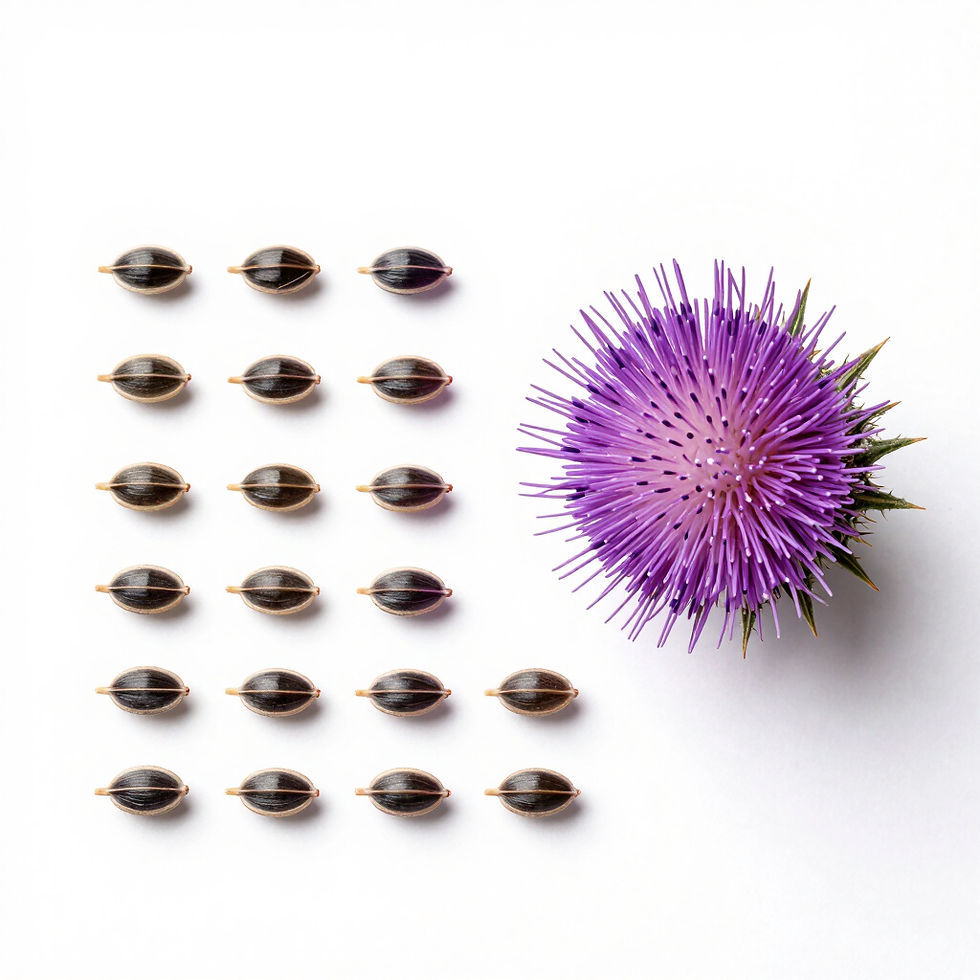
Thistle Oil
Benefits: Thistle oil is extremely high in linoleic acid, which helps thin out thick, sticky sebum. That makes it great for people who get clogged pores and blackheads, because it can help keep oil more fluid and less likely to harden inside the pore.
Key Nutrients: Linoleic acid and vitamin E help thin out thick, sticky sebum while protecting the skin from oxidative stress, which can reduce clogged pores over time.
Skin Issues: Clogged pores, blackheads, and oily congestion.
Caution: Very short shelf life; must be kept in the refrigerator once opened.

Tea Tree Oil
Benefits: Tea tree oil is naturally antimicrobial, so it can help reduce the bacteria and yeast that contribute to breakouts and dandruff. Used correctly in a carrier oil, it’s a strong spot‑treatment ally for inflamed, oily, or congested skin.
Key Nutrients: Terpinen‑4‑ol and related terpenes have natural antibacterial and antifungal activity, helping to reduce the microbes that drive breakouts and scalp flaking.
Skin Issues: Active blemishes, fungal acne, and oily skin.
Caution: Potential irritant for sensitive skin; avoid using on broken skin. Toxic To Cats.

Sea Buckthorn
Benefits: Sea buckthorn is packed with rare omega‑7 plus very high vitamin C, which together support faster skin repair and stronger elasticity. It’s often used on damaged or very dry skin because it helps the barrier bounce back from irritation and injury.
Key Nutrients: Omega‑7, vitamin C, and carotenoids work together to support faster skin regeneration, stronger elasticity, and better protection against environmental stress.
Skin Issues: Radiation burns, rosacea, and tissue trauma.
Caution: Extremely high carotene; will stain clothing and skin if not well diluted.

Safflower Seed Oil
Benefits: Safflower oil is rich in linoleic acid, which helps keep the skin’s barrier flexible and prevents water loss. Because it is a non-greasy, lightweight oil, it is ideal for hydrating active or acne-prone skin without creating a heavy, occlusive film.
Key Nutrients: High levels of linoleic acid (omega-6), Oleic acid and vitamin E support the skin’s lipid barrier, helping to maintain softness and defend against environmental stressors.
Skin Issues: Dehydration, congested pores, and barrier sensitivity.
Caution: High linoleic content makes it sensitive to heat; store in a cool, dark place to maintain stability.

Sweet Almond Oil
Benefits: Sweet almond oil is a gentle, cushiony oil that softens rough texture and helps keep water locked in the skin. It’s especially nice for delicate areas like under the eyes, where it can make fine lines and dryness look less noticeable.
Key Nutrients: Vitamin E, minerals, and softening fatty acids cushion the skin, helping to smooth rough texture and protect delicate areas like under the eyes.
Skin Issues: Dark circles, dry texture, and irritation.
Caution: Strict contraindication for those with tree nut allergies; store cool.

Pomegranate Seed Oil
Benefits: Pomegranate oil is like a repair serum in oil form. Its unique omega‑5 fatty acid helps protect collagen and encourages the skin to rebuild itself after sun damage, so it’s ideal for mature or over‑exposed skin that needs extra support.
Key Nutrients: Punicic acid (omega‑5) and ellagic acid are potent antioxidants that help defend collagen, support repair after sun damage, and keep mature skin more resilient.
Skin Issues: Thinning skin, mature age, and sun damage.
Caution: Viscous and concentrated; always dilute in jojoba or almond oil.